
👁️ 17 views
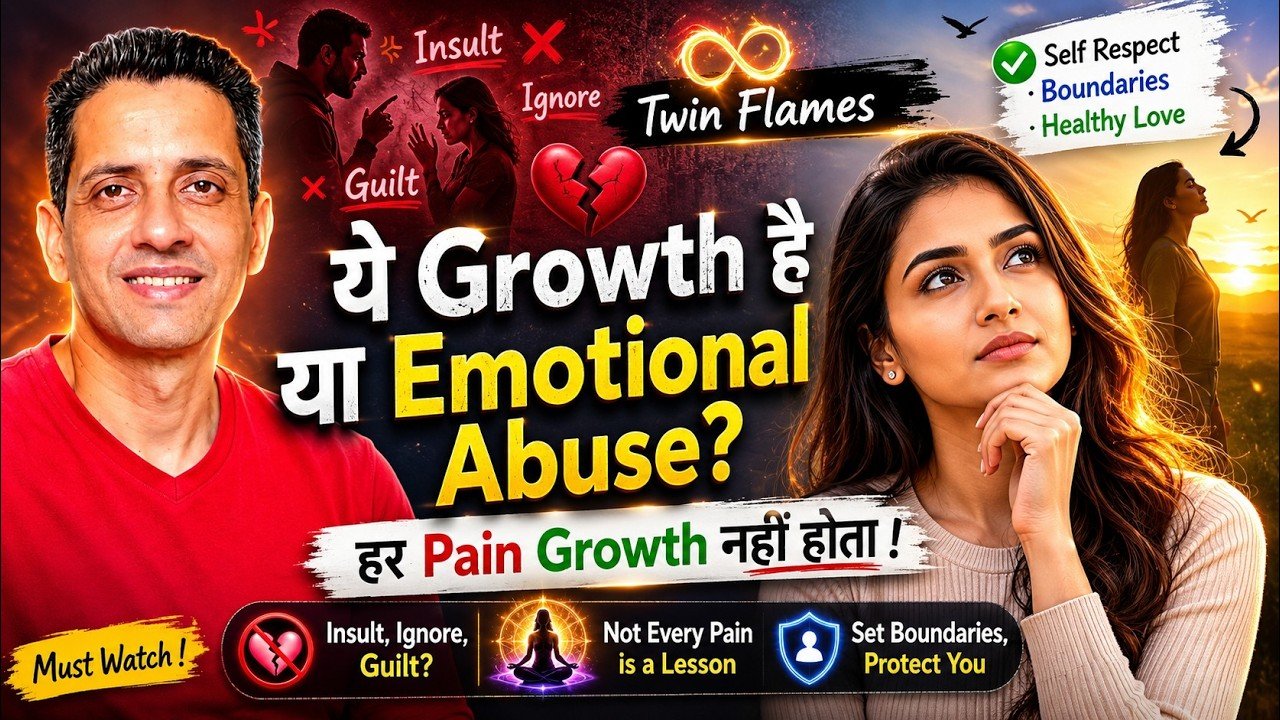
Are You Mistaking Emotional Abuse for Twin Flame Growth?
The twin flame journey is often described as a path of deep transformation.
It can bring hidden emotions to the surface, challenge old patterns, and encourage personal growth.
But sometimes, this idea can be misunderstood.
Some people begin believing:
- “If they keep hurting me, it must be helping me grow.”
- “If they insult me, maybe the Universe is teaching me something.”
- “I just need to be more patient.”
- “This is probably part of the twin flame journey.”
But an important question deserves honest reflection:
Is this really spiritual growth, or is it emotional abuse in a twin flame relationship?

Can a Twin Flame Trigger You Without Being Abusive?
Twin flame connections can certainly trigger unresolved emotions.
A trigger often helps you become aware of:
- old emotional wounds
- limiting beliefs
- unconscious patterns
- areas that need healing
Although triggers may feel uncomfortable, they often lead toward greater awareness and personal growth.
Emotional abuse is different.
Its impact is not greater awareness.
Its impact is often fear, confusion, self-doubt, and loss of self-respect.
Understanding this difference is essential.
Signs of Emotional Abuse in a Twin Flame Relationship
Sometimes unhealthy behavior gets explained away simply because the relationship feels spiritually significant.
Some common examples include:
- repeated insults
- constant criticism
- emotional manipulation
- making you feel guilty for everything
- ignoring your feelings
- blaming you for every conflict
- repeatedly disrespecting your boundaries
These behaviors should not automatically be accepted as spiritual lessons.
Sometimes they simply reflect unhealthy relationship dynamics.
Not Every Pain Is Meant to Teach You
Growth and suffering are not always the same thing.
A challenging experience may help you grow.
But repeated emotional harm does not automatically become meaningful simply because it occurs in a twin flame relationship.
Ask yourself:
- Is this experience helping me become stronger?
- Am I gaining greater clarity?
- Or am I becoming more confused, anxious, and emotionally exhausted?
The answers often provide far more insight than labels.
Is Their Behavior a Lesson or a Reflection of Their Own Growth?
Sometimes people assume every difficult behavior carries a hidden spiritual message.
But there is another possibility.
Someone who repeatedly:
- lies
- manipulates
- humiliates
- emotionally dominates
- avoids accountability
may simply be acting from their own current level of emotional maturity.
Not every unhealthy behavior needs to be interpreted as a divine lesson.
Sometimes it is simply unhealthy behavior.
Patience Should Never Replace Self-Respect
Many people ask:
“How much longer should I stay patient?”
A more empowering question may be:
“How much respect am I showing myself?”
Patience is a valuable quality.
But unlimited tolerance for harmful behavior is not the same as patience.
Healthy relationships require both compassion and self-respect.
Questions That Bring Greater Clarity
If you feel uncertain about your relationship, gently reflect on questions like:
- Is this helping me grow or only hurting me?
- Do I feel more peaceful or more confused?
- Is my confidence increasing or decreasing?
- Do I feel emotionally safer over time?
- Am I becoming more authentic or constantly afraid?
These questions shift the focus away from labels and back toward your lived experience.
Healthy Boundaries Are Part of Spiritual Growth
One of the most important lessons on any spiritual path is learning to create healthy boundaries.
Boundaries may include:
- communicating honestly
- expressing what is not acceptable
- reducing emotional dependence
- creating emotional distance when necessary
- protecting your mental and emotional well-being
Boundaries are not punishments.
They are expressions of self-respect.
Love and Boundaries Can Exist Together
Some people worry that creating boundaries means giving up on love.
In reality, healthy love and healthy boundaries support each other.
It is possible to:
- care deeply about someone
- wish them well
- remain compassionate
while also refusing to accept repeated disrespect.
The two are not opposites.
Why Boundaries Often Change Relationship Dynamics
When you consistently respect your own boundaries, one of two things often happens.
A healthy person may begin:
- listening more carefully
- respecting your limits
- communicating differently
- taking responsibility for their behavior
An unhealthy person may continue ignoring your boundaries.
Both outcomes provide valuable clarity.
Either the relationship becomes healthier, or you gain a clearer understanding of whether it is serving your well-being.
Self-Respect Is Not Selfish
Many people tolerate unhealthy behavior because they fear losing the relationship.
But protecting your self-respect is not an act of selfishness.
It is an important part of emotional maturity.
A relationship should not require you to sacrifice:
- your dignity
- your emotional safety
- your confidence
- your sense of self
Healthy love does not ask you to become smaller.
It creates space for you to grow.
Inner Work Helps You Strengthen Boundaries
Many people understand boundaries intellectually but struggle to maintain them emotionally.
This is where inner work becomes valuable.
As your inner confidence grows, it often becomes easier to:
- communicate clearly
- say no without guilt
- recognize unhealthy patterns
- make decisions that honor your well-being
Strong boundaries usually develop from inner transformation, not from memorizing advice.
Don’t Let the Twin Flame Label Excuse Harmful Behavior
One of the biggest misunderstandings in the twin flame community is believing that every painful experience must be accepted because the relationship is spiritually significant.
Spiritual growth should never become a reason to excuse ongoing emotional abuse.
Love may require patience.
Growth may require discomfort.
But neither requires accepting repeated disrespect or emotional harm.
Final Reflection
The next time you find yourself wondering,
“Is this part of my twin flame journey?”
consider asking a different question first:
“Is this relationship helping me grow while honoring my self-respect?”
Because genuine spiritual growth does not ask you to abandon yourself.
Sometimes the most powerful lesson on the twin flame journey is discovering that loving someone and respecting yourself can exist at the same time.
And often, the strongest expression of love begins with healthy boundaries—not unlimited tolerance. 🌿
FAQs
What is emotional abuse in a twin flame relationship?
Emotional abuse in a twin flame relationship includes repeated behaviors such as manipulation, humiliation, emotional domination, constant criticism, or making someone feel guilty or worthless.
Can a twin flame trigger emotional growth without being abusive?
Yes. Healthy triggers increase self-awareness and personal growth, while emotional abuse repeatedly damages self-esteem, emotional safety, and well-being.
Should I tolerate emotional abuse because it’s a twin flame journey?
No. Spiritual growth should never be used to justify repeated emotional harm or disrespect.
How do I know if I need stronger boundaries?
If you consistently feel disrespected, emotionally drained, confused, or afraid to express yourself, healthier boundaries may be necessary.
Can I love someone and still maintain boundaries?
Absolutely. Healthy relationships allow both love and self-respect to exist together, and boundaries often strengthen rather than weaken genuine connection.

Helpful Resources

See also:




Jnana Param is a Spiritual Teacher, Twin Flames Coach and Kundalini Yoga practitioner. About Jnana Param

